How AI-Powered Content Creation Can Save Time and Boost SEO in 2025
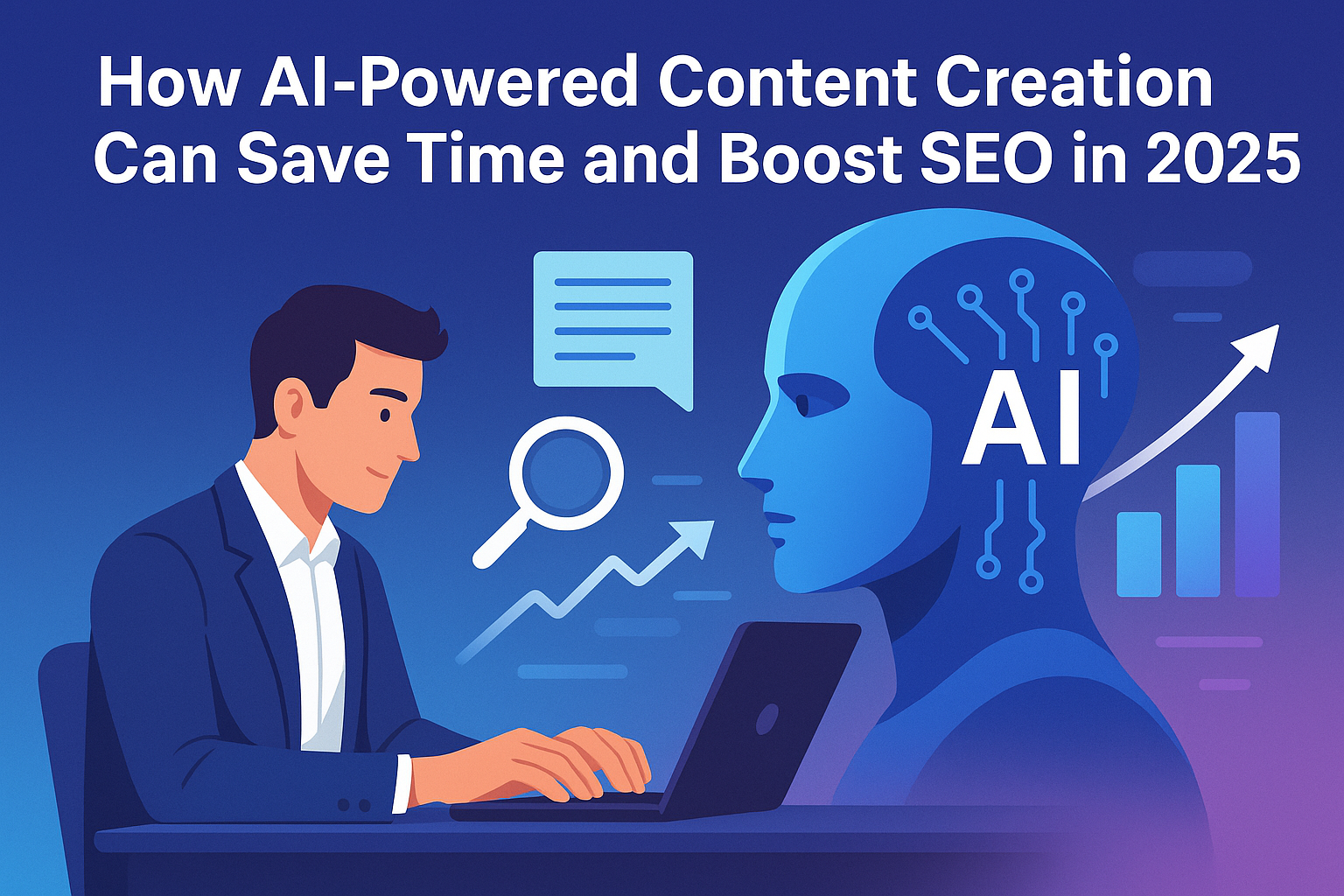
The world of digital marketing is changing fast, and artificial intelligence (AI) is at the center of this transformation. In 2025, AI-powered content creation tools are reshaping how businesses create, optimize, and distribute content online. From blogs and social media posts to video scripts and product descriptions, AI helps marketers produce high-quality material faster and more efficiently. But beyond saving time, these tools also improve SEO performance, helping websites rank higher in search results and attract more organic traffic.
Key Takeaways
-
AI automates research, writing, and optimization for faster content creation.
-
Smart algorithms identify high-value keywords and improve content structure.
-
AI tools enhance SEO by increasing relevance and readability.
-
Businesses save time while maintaining consistent publishing quality.
-
Personalization powered by AI improves engagement and conversion rates.
-
Combining AI efficiency with human creativity ensures authentic and effective content.
-
Measuring results helps refine strategies and maximize ROI.
The Rise of AI in Content Marketing
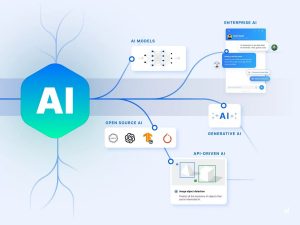
AI technology has evolved from simple text generators to sophisticated systems capable of understanding context, tone, and audience intent. In 2025, AI tools use natural language processing (NLP) and machine learning to craft personalized, SEO-friendly content that connects with readers and meets Google’s quality standards.
Content marketers now rely on AI to handle time-consuming tasks like keyword research, headline creation, and SEO optimization. By automating these processes, businesses save hours of manual effort while maintaining consistent output across multiple channels.
How AI Content Creation Saves Time
Time efficiency is one of the biggest advantages of AI in 2025. Instead of spending hours brainstorming ideas or drafting posts, marketers can use AI tools to generate outlines, full articles, and meta descriptions in minutes.
1. Faster Research and Ideation
AI tools analyze vast amounts of online data to suggest trending topics, relevant keywords, and audience-driven content ideas. This ensures every piece of content is timely and aligned with search intent.
2. Automated Writing and Editing
Modern AI systems can produce well-structured, readable drafts instantly. They also assist with grammar, tone, and sentence flow, making editing faster. For businesses, this means consistent publishing schedules without overburdening content teams.
3. Streamlined SEO Optimization
AI-powered software automatically integrates keywords, optimizes headings, and ensures readability. It checks keyword density, meta tags, and content structure saving time and improving accuracy.
4. Repurposing Existing Content
AI can scan old blogs, social posts, or articles and repurpose them into new formats, such as short videos or infographics. This increases content reach while minimizing manual rewriting.
How AI Tools Improve SEO Performance
AI tools not only accelerate content creation but also make it smarter. In 2025, Google’s algorithms emphasize quality, intent, and user experience, and AI is perfectly equipped to meet these criteria.
1. Smarter Keyword Research
AI tools like Surfer SEO and Clearscope use machine learning to identify the best-performing keywords based on competition and search intent. They provide insights on long-tail keywords that help businesses attract more qualified traffic.
2. Improved Content Relevance
AI analyzes user search behavior and trends to ensure your content aligns with what audiences actually want. This increases dwell time, reduces bounce rates, and signals Google that your content deserves higher rankings.
3. Enhanced Readability and User Experience
AI writing tools optimize structure, tone, and flow for both users and search engines. They ensure sentences are clear, paragraphs are balanced, and keywords fit naturally improving overall engagement and SEO results.
4. Automated Meta Optimization
AI tools automatically generate optimized titles, meta descriptions, and image alt text. These elements play a big role in improving click-through rates from search results.
5. Voice Search Optimization
With voice searches becoming more common in 2025, AI helps create conversational content that matches natural speech patterns. This approach increases visibility for voice-based queries.
Popular AI Tools for Content Creation in 2025
Several advanced AI-powered platforms are helping marketers save time and improve SEO efficiency in 2025:
-
Jasper AI – Generates high-quality articles, ads, and scripts using natural language understanding.
-
Copy.ai – Ideal for short-form content like product descriptions, ad copy, and captions.
-
Surfer SEO – Optimizes on-page SEO by analyzing top-ranking pages and suggesting data-driven improvements.
-
Frase.io – Assists in research, outline creation, and answering search intent-based questions.
-
Writesonic – Helps create blog posts, landing pages, and meta descriptions with built-in SEO optimization.
-
ChatGPT (GPT-5) – Produces detailed and human-like content suitable for blogs, educational materials, and website copy.
These tools integrate seamlessly into workflows, allowing marketing teams to scale content production while maintaining quality.
AI-Powered Personalization for Better Engagement
Personalized content performs better because it speaks directly to user needs. In 2025, AI tools analyze user data like demographics, browsing behavior, and preferences to deliver tailored messages that convert.
For example, an e-commerce store can use AI to generate product recommendations or personalized descriptions based on customer behavior. This approach not only improves user experience but also boosts conversions and organic reach.
The Role of AI in Visual and Multimedia Content
AI is not limited to written content. Many businesses are now using AI to create images, infographics, and videos to complement their blogs and campaigns. Tools like Synthesia and Runway ML generate realistic video presentations or visuals automatically, saving time and production costs.
Animated explainers and visual storytelling powered by AI attract higher engagement and encourage users to stay longer on a page — a positive ranking factor for SEO.
Maintaining Authenticity in AI-Generated Content
Although AI saves time and boosts SEO, maintaining authenticity is essential. Search engines in 2025 value originality, so businesses must balance automation with human creativity.
Marketers should always review AI-generated content to ensure it matches brand voice, adds unique insights, and follows ethical SEO practices. A human touch in editing and fact-checking ensures accuracy and trustworthiness.
Measuring the ROI of AI-Powered Content
Businesses can measure the success of AI content creation through clear performance indicators:
-
Organic traffic growth from optimized content.
-
Higher keyword rankings for targeted terms.
-
Improved engagement metrics such as average session time and bounce rate.
-
Faster content production cycles reducing operational costs.
Using analytics tools, marketers can track which AI-generated pieces perform best and refine future content strategies for greater impact.
The Future of AI in Content Marketing
In 2025, AI will continue evolving toward greater personalization, automation, and predictive analysis. Future tools may use real-time data to automatically update content, ensuring it stays relevant and optimized.
Businesses that embrace AI today will have a competitive edge, producing more content in less time and achieving stronger SEO results across all digital platforms.
Summary
AI-powered content creation in 2025 allows businesses to save time, improve efficiency, and strengthen their SEO strategy. With AI tools handling research, writing, and optimization, marketers can focus on strategy and creativity. When used responsibly, AI enhances productivity, ensures content relevance, and drives sustainable long-term growth.